Genomic Foundation Model
RILLIE
Capturing natural evolution in function-guided RNA design via genomic foundation models.
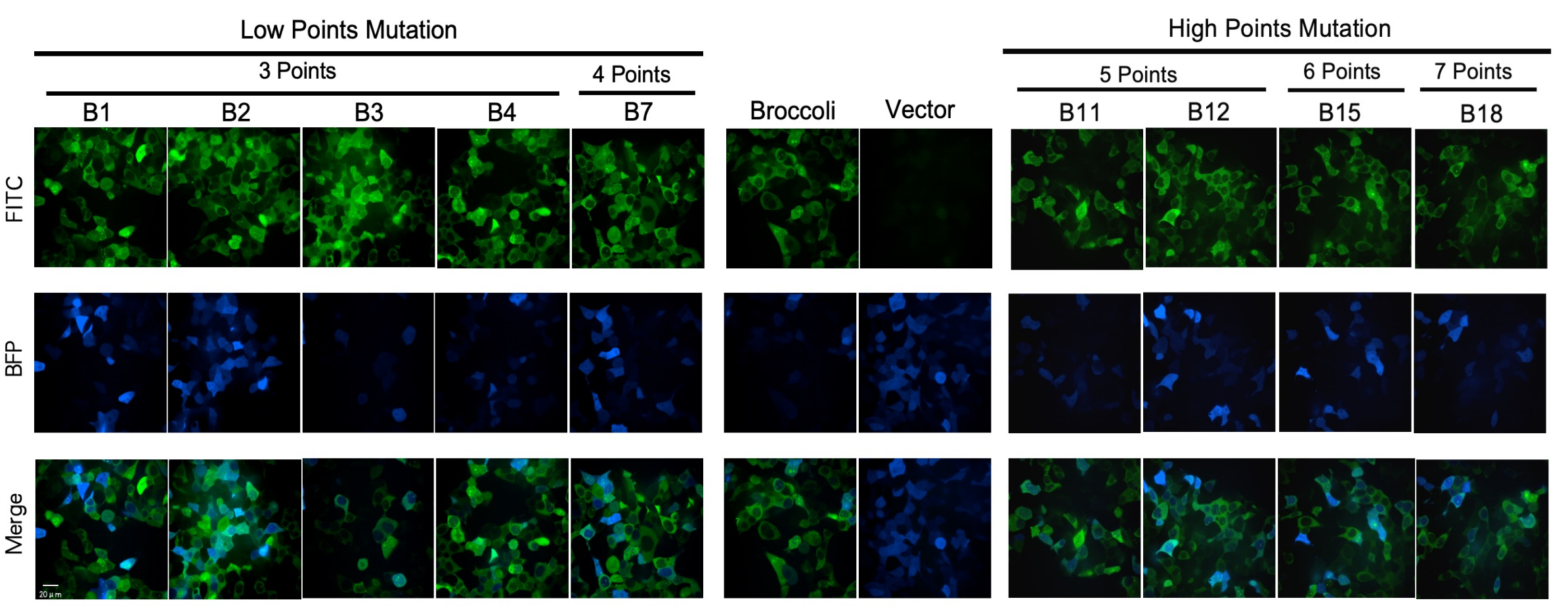
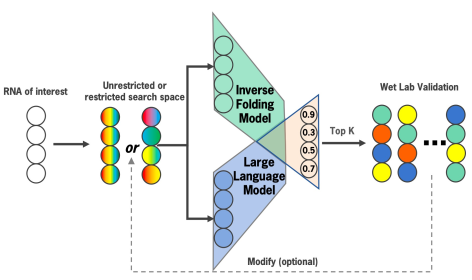

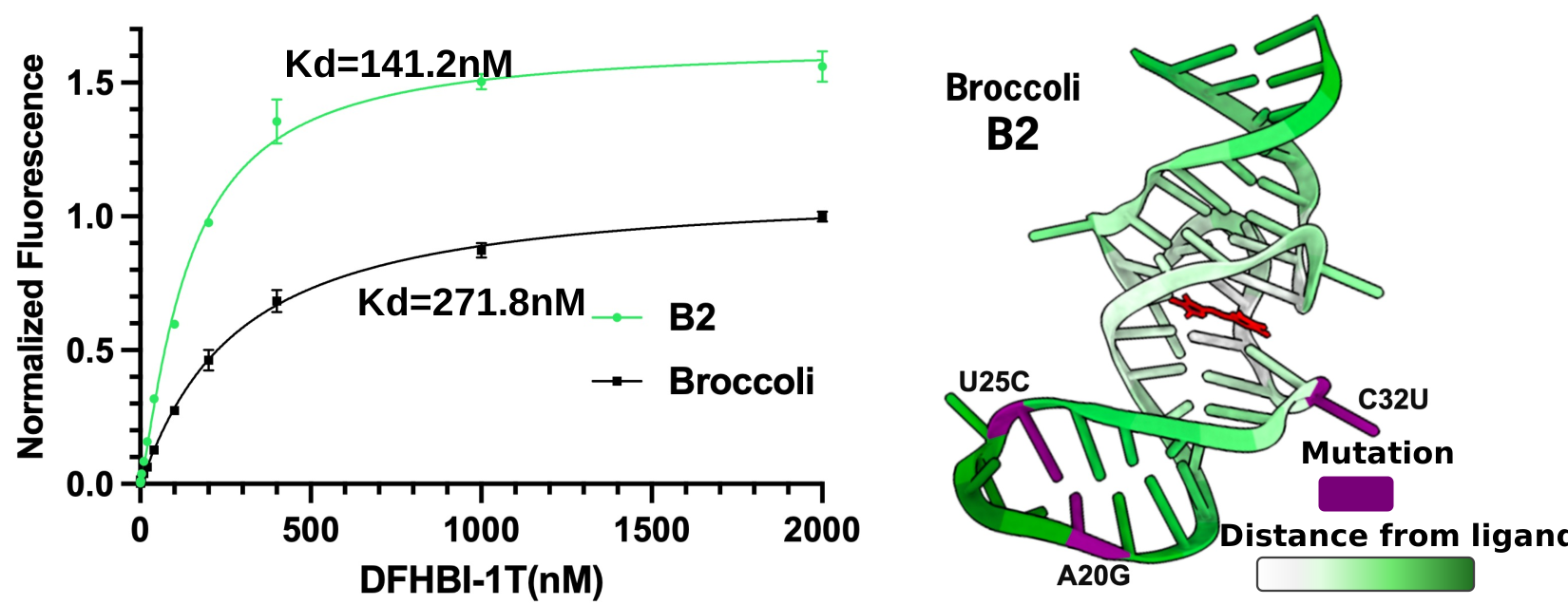
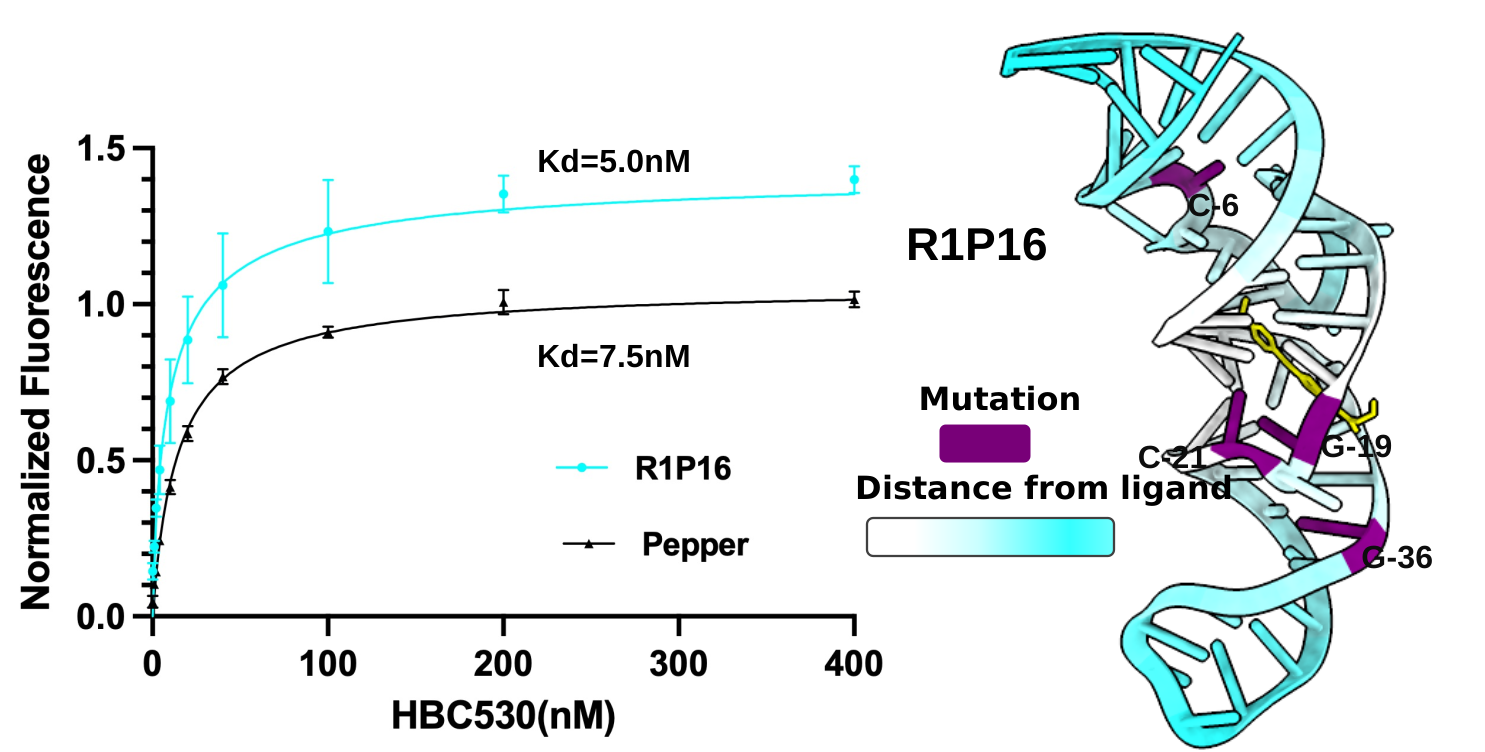
RILLIE, short for RNA In Silico Evolution via LLM and Inverse folding, is a zero-shot RNA design strategy that combines genomic foundation models with inverse folding models. The goal is to design functional RNA sequences that follow natural evolutionary preferences while preserving key structural regions needed for activity.
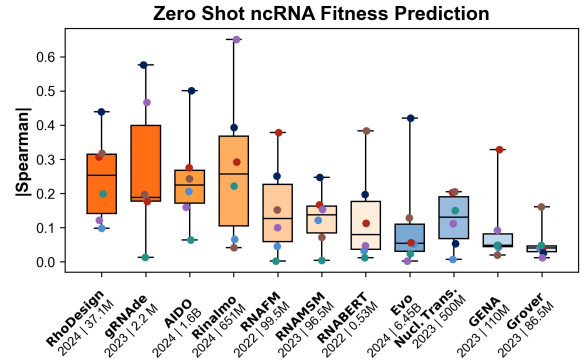
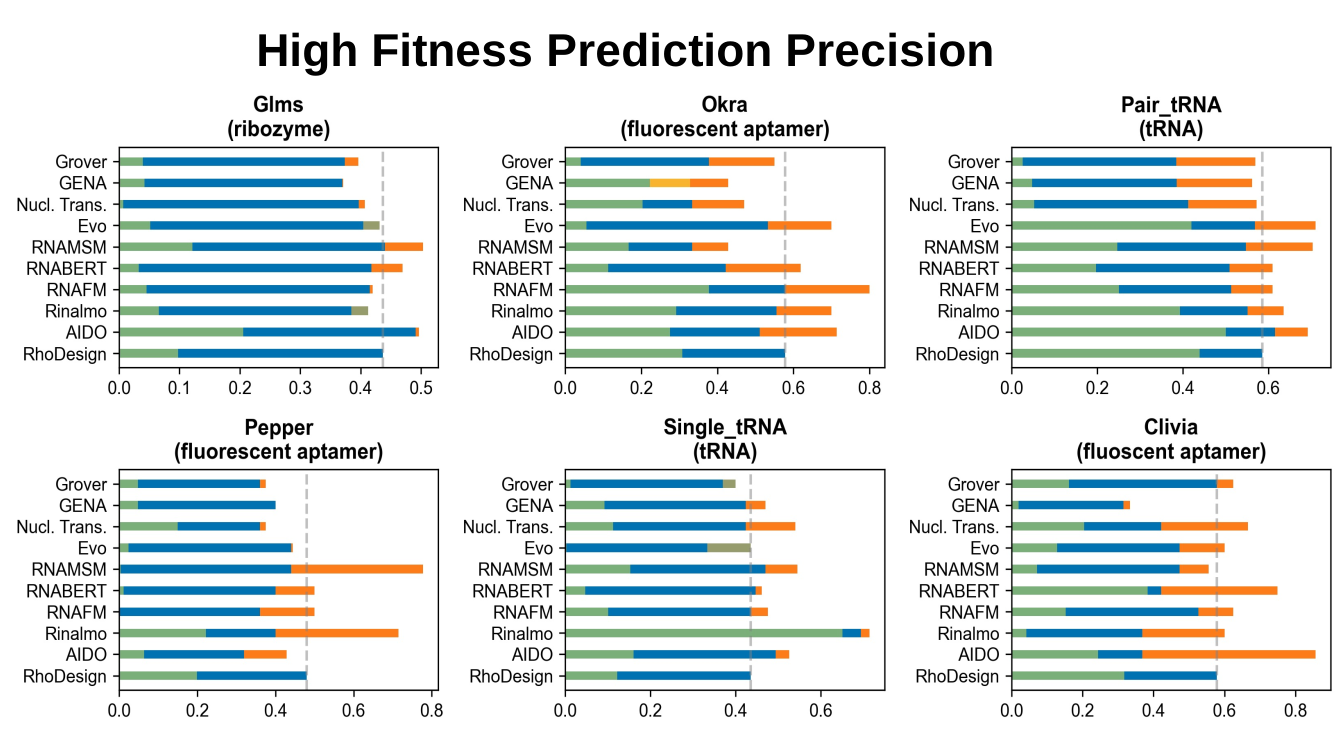
The project benchmarks genomic foundation models for RNA fitness prediction, then uses those signals to guide aptamer evolution. In fluorescent RNA aptamers, RILLIE designs Broccoli and Pepper variants with improved fluorescence, binding affinity, and in-cell performance, showing that general genomic models can become practical tools for RNA engineering.
What It Enables
- Zero-shot RNA fitness prediction from foundation model likelihoods.
- Function-guided RNA sequence design without large experimental screening loops.
- Structure-aware optimization through inverse folding constraints.
- Single-round and multi-round in-silico evolution for fluorescent aptamers.
- In vitro and in vivo validation of designed Broccoli and Pepper variants.
My Role
I co-led the project and worked across model benchmarking, RNA design strategy, experimental design interface, result analysis, visualization, and manuscript writing. I also helped connect the computational design loop to experimentally validated Broccoli and Pepper aptamer evolution.
Release
The manuscript presents RILLIE as a resource-light RNA engineering strategy for exploring functional sequence space with genomic foundation models and inverse folding.


